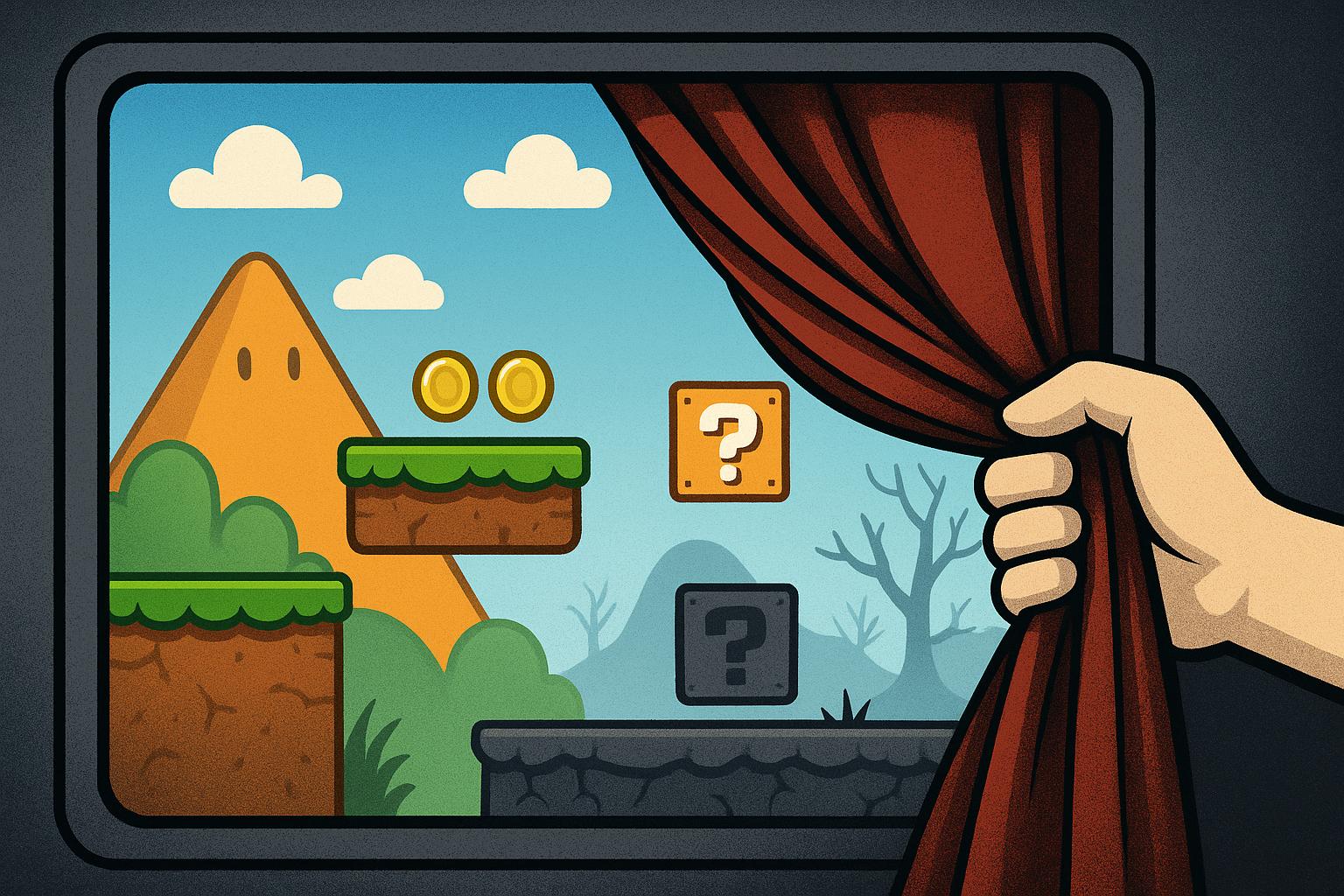
Video game fans have seen this story play out too many times. Companies build excitement with flashy trailers and bold claims during press events. They talk about amazing features and endless fun. Then the release date hits and the truth comes out. The game misses the mark in big ways. Developers knew better but pushed ahead anyway. This kind of straight talk gets lost when money and deadlines take over. Players end up holding the bag and trust erodes across the board.
No Man’s Sky launch disaster in 2016
Start with No Man’s Sky from Hello Games. The team showed the game at big shows in 2014 and 2015. They described a universe with 18 quintillion planets each unique. Sean Murray sat in interviews and confirmed you could run into other players anywhere. He even said animals would react in smart ways. Pre orders poured in after those promises. The game launched on August 9 2016. Right away players noticed problems. You could not see friends in the same world. Planets looked similar after a few visits. Many creatures just stood still. The company had cut features to meet the date. Updates rolled out later but the first impression stuck. Thousands of negative reviews hit Steam. Some buyers filed complaints with stores for refunds.
Loot box controversy in Star Wars Battlefront II
The next big letdown came with Star Wars Battlefront II in 2017. EA and DICE worked on it. Trailers focused on huge space battles and ground fights from the films. Beta tests raised flags about balance. Still the full game dropped in November. The big issue sat in the progression. Loot boxes gave random cards that boosted stats. To get Luke Skywalker or Darth Vader you needed hundreds of hours grinding or you paid cash. News outlets ran stories on how it favored spenders. Fans started a massive online campaign. They left one star reviews by the tens of thousands. EA backed down fast. They removed the boxes and changed the system before Christmas. But the initial launch showed how far they went to hide the paywall.
Anthem’s repetitive gameplay and failed live service
BioWare followed with Anthem in February 2019. They spent years building hype. Trailers displayed heroes flying in powered suits through colorful worlds. The story pitched a living planet with changing events. Players who bought early access expected a full experience. Instead the game launched with repetitive missions. Strongholds felt the same after three runs. The loot system dropped useless items most times. Servers lagged and crashes happened daily. BioWare promised roadmaps with new content every few months. Those plans fell apart within a year. The studio shifted staff to other projects. Anthem servers went offline eventually. Buyers who paid sixty dollars or more for the standard edition saw little return.
Hidden gambling mechanics across games
Many gamers noticed right away that the random reward systems worked a lot like wolfwinner online blackjack casino where luck decides everything and the odds stay stacked against you. Developers argued the items had no cash value outside the game. Yet players traded them on third party sites anyway. The whole model pushes spending without clear odds.
Cyberpunk 2077’s console nightmare
Then came Cyberpunk 2077 by CD Projekt Red. They announced it way back in 2012 at a big event. Delays piled up until the final push in 2020. Trailers always showed a busy city full of choices. Keanu Reeves helped promote it too. The team said the game would run smooth on older consoles. December 10 2020 changed that story quick. Consoles struggled with low speed and sudden stops. Missions failed to load and cars drove through walls. CD Projekt Red said sorry in a letter to fans. They gave full refunds to anyone who asked. The game came off digital shelves for a bit. Later patches made it better especially on new machines. Still the launch hurt their name for years.
Fallout 76’s empty promises and bag fiasco
Bethesda Game Studios released Fallout 76 in November 2018. The series started as single player adventures. This version turned everything online. Trailers showed groups of survivors building camps and fighting mutants together. Pre orders included a special canvas bag with in game items. The bag arrived empty for many people. The game itself launched buggy. Enemies floated in air and quests had no voice lines at first. Bethesda apologized and sent out cheap plastic bags as replacements. That move made the joke worse. They rolled out updates for years but player numbers dropped quick. Many who paid the full price felt the online shift came too soon without enough testing.
Mobile game ads vs reality
Mobile games take the misleading even further. Ads on phones show exciting fights and big scores. You tap to download expecting the same thrill. The real game turns out to be simple taps with long waits between. Companies hide the real rules until you start spending. Reviews fill with stories of wasted time and money. Stores remove some titles after enough reports but new ones pop up fast.
Player reactions and industry changes
Players react in different ways when this happens. Some leave bad reviews right away. Others start online groups to share proof of the lies. Petitions ask for better rules from governments. In the end many just stop buying new games on day one. They wait for patches and honest feedback from friends. Over time this caution spreads through communities.
Lasting effects on trust and future releases
The industry tried to clean up its act after these blow ups. Some studios now show real gameplay in trailers instead of fancy cuts. Others list exact chances for random items on their sites. A few added better testing before launch. But the pressure to sell big on release day stays strong. Hype still sells copies even when past mistakes linger. In practice developers learn from backlash only when sales drop hard. Fans who got burned once share their stories widely. New players check forums and videos before they spend. The cycle slows down but it never stops completely. Trust takes years to rebuild after one bad launch. Companies that repeat the same errors lose fans for good.