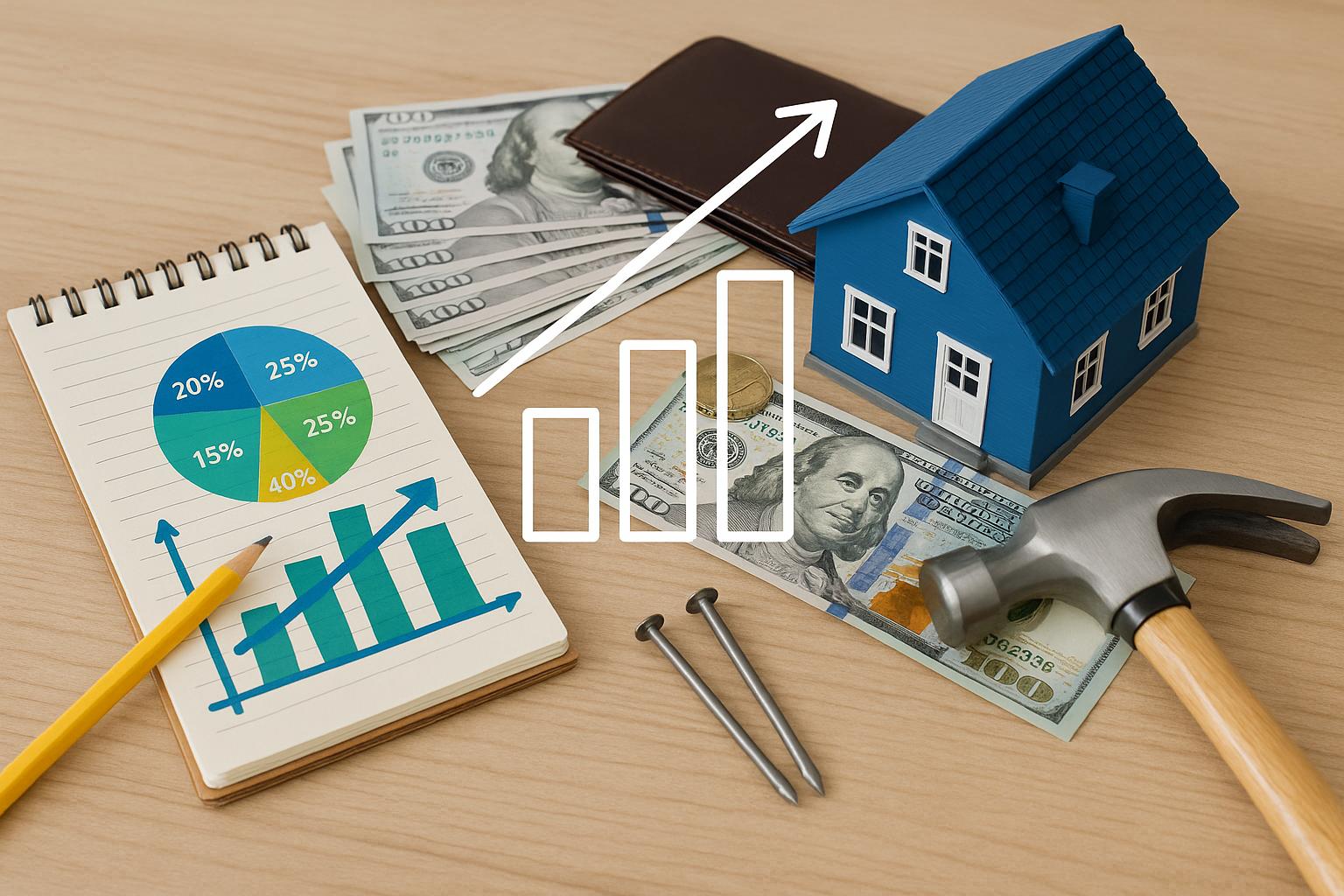
Homeowners consistently look for ways to improve their homes aesthetically and also enhance comfort and one way to do this is by renovating their homes. However, renovations cost money and how much a homeowner is able to spend on the home improvement project is limited by his or her bank balance. There is no doubt that budgets are the biggest issue for the average homeowner and in most cases, homeowners wish that they could have done a little more.
Nevertheless, there are a select few homeowners who are able to extract ‘more for less’ when it comes to home improvement projects by using cost strategies that have been proven to work in terms of budget optimisation. By optimising a given project’s budget, the homeowner would be able to avoid unnecessary spending and actually get their money’s worth.
The entire process of budget optimisation should necessarily start at the very beginning even before the home improvement idea is developed. This is simply due to the fact that developing an idea first and then looking at the funds available to materialise the idea could result in a lot of things going wrong. Starting with a specific financial allocation for the project and then developing an idea of what needs to be done within the allocated funds would prevent overspending that could ripple through before even an idea of what needs to be improved for the home is developed.
Once a budget is determined and an idea for the improvement is developed, the next step would be to examine the requirements to actually execute the project. Make a list of raw materials needed, workers, and equipment needed such as compact excavators that are usually available for hire, also there may be a requirement for skilled (plumbers, electricians, bricklayers, carpenters etc.) and unskilled labour or general workers.
Once the list is finalised, a meticulous price assessment that compares suppliers must be conducted. This does not mean cheaper is better; a proper balance between price and quality must be arrived at in order to ensure that the final product is satisfactory.
After the suppliers are identified, scheduling comes next, scheduling is a critical factor that will ensure that time and resources are not wasted and this usually happens when certain tasks overlap with other tasks. Within this context, it is important to identify jobs that are dependent on other project elements to be completed before the job can be executed and similarly there will be jobs that can be executed simultaneously.
Scheduling right would avoid having resources idling i.e. a compact excavator rental for the day, but can only be used after the cement dries which would mean that the rental has been wasted. Other ways to reduce the cost of a home improvement project is to recycle materials which all add up in the end.
To summarise, meticulous planning of the entire project and identifying areas that are susceptible to reworks and maintaining quality of both materials and work is key to cost savings for not just home improvement projects, but for any given project.
Why Smart Budgeting Matters in Renovation
Renovation projects often come with hidden costs, unexpected delays, and emotional decision-making. A well-planned budget acts as your roadmap, helping you:
- Stay financially disciplined
- Prioritize essential upgrades
- Avoid unnecessary expenses
- Increase your home’s resale value
Smart budgeting ensures that every dollar you spend contributes to improving your home’s functionality, aesthetics, and long-term value.
Step 1: Define Your Renovation Goals Clearly
Before setting a budget, you need to identify your renovation objectives. Ask yourself:
- Are you renovating for personal comfort or resale?
- Which areas need urgent upgrades?
- What features will add the most value?
For example:
- Kitchen and bathroom renovations typically offer the highest return on investment.
- Energy-efficient upgrades reduce long-term utility costs.
- Structural improvements enhance safety and durability.
Having clear goals prevents overspending on features that don’t align with your priorities.
Step 2: Set a Realistic Budget
A common mistake homeowners make is underestimating costs. A smart budget should include:
1. Core Costs
- Materials (tiles, paint, fixtures)
- Labor (contractors, electricians, plumbers)
2. Contingency Fund
Always set aside 10–20% of your total budget for unexpected expenses such as:
- Structural issues
- Material price increases
- Design changes
3. Permit and Inspection Fees
Many renovations require permits, which can add to the total cost.
Step 3: Prioritize High-Value Upgrades
Not all renovations deliver equal value. Focus on upgrades that provide the best return:
High-ROI Renovations
- Kitchen remodeling
- Bathroom upgrades
- Flooring replacement
- Fresh paint
- Energy-efficient windows and insulation
Lower-ROI Renovations
- Luxury additions (e.g., high-end spas, custom wine cellars)
- Over-personalized designs
Smart budgeting means investing where it counts most.
Step 4: Plan Before You Start
Poor planning leads to wasted money. Create a detailed renovation plan that includes:
- Timeline for each phase
- Material selection in advance
- Contractor scheduling
- Design layouts
Changing plans mid-project can significantly increase costs. The more decisions you make beforehand, the more you save.
Step 5: Compare Quotes and Hire Wisely
Hiring the right professionals is critical. Follow these tips:
- Get at least 3 quotes from contractors
- Check reviews and past work
- Avoid choosing solely based on the lowest price
A cheaper contractor may lead to poor workmanship, resulting in higher repair costs later.
Step 6: Mix Quality with Cost-Effective Choices
Smart budgeting doesn’t mean choosing the cheapest option—it means choosing wisely.
Where to Spend More:
- Structural work
- Electrical and plumbing systems
- Durable materials (flooring, countertops)
Where to Save:
- Decorative items
- Light fixtures
- Paint (mid-range quality is often sufficient)
Balancing quality and affordability helps maximize value without overspending.
Step 7: Consider DIY Where Possible
Doing some tasks yourself can significantly reduce costs. Suitable DIY projects include:
- Painting walls
- Installing shelves
- Landscaping
However, avoid DIY for complex tasks like electrical or plumbing work unless you’re experienced.
Step 8: Track Expenses Throughout the Project
Keep a close eye on your spending to avoid budget overruns.
- Use budgeting apps or spreadsheets
- Record every expense
- Adjust spending if needed
Tracking ensures you stay within your financial limits and make informed decisions.
Step 9: Focus on Long-Term Value
Think beyond immediate aesthetics. Smart renovations should provide lasting benefits:
- Energy efficiency (lower utility bills)
- Durable materials (less maintenance)
- Timeless designs (appeal to future buyers)
A renovation that saves money over time is always a smart investment.
Step 10: Avoid Common Budgeting Mistakes
Here are some pitfalls to watch out for:
- ❌ Ignoring hidden costs
- ❌ Skipping contingency funds
- ❌ Over-customizing your home
- ❌ Changing plans frequently
- ❌ Hiring unqualified contractors
Avoiding these mistakes can save you thousands of dollars.