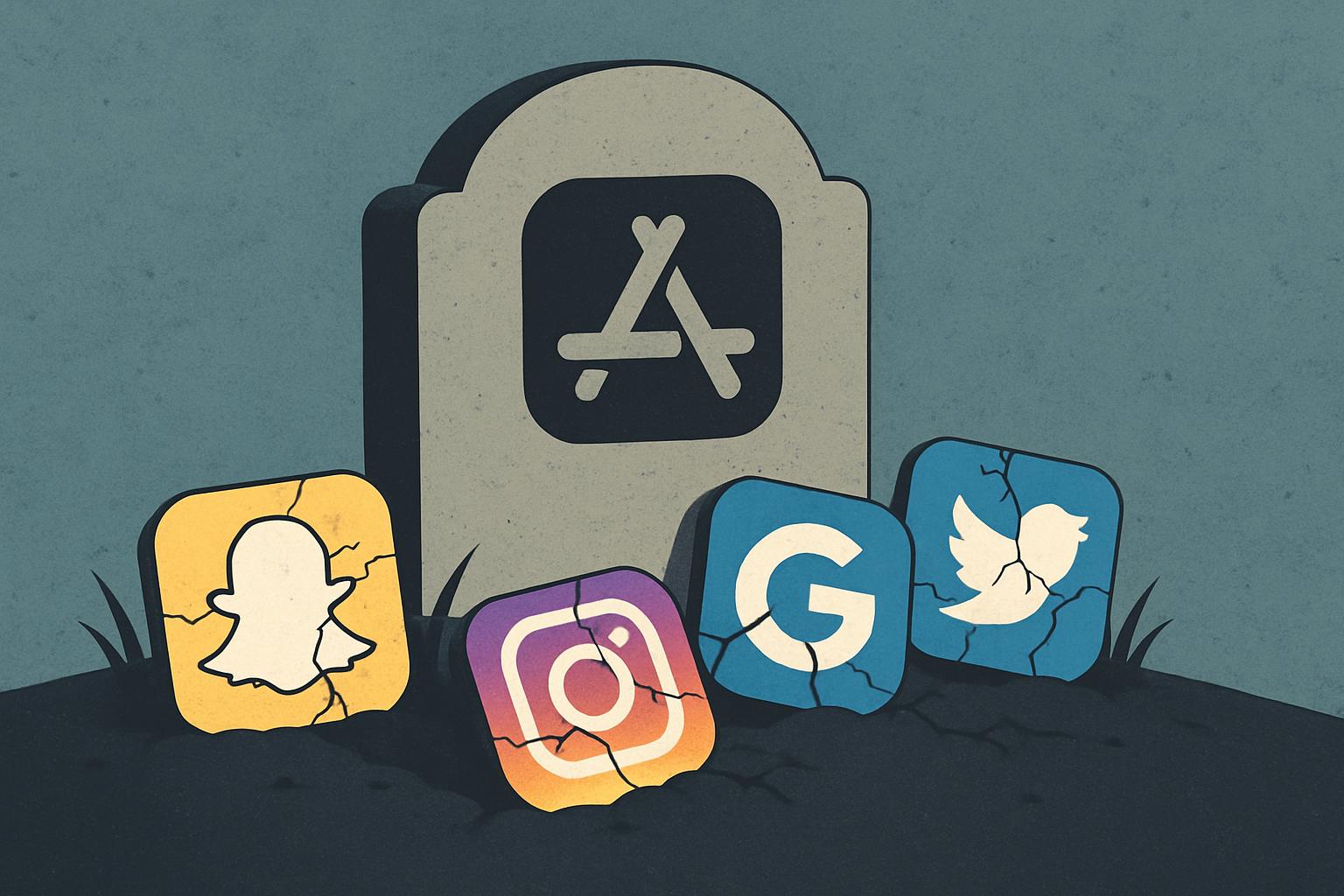
Most smartphones have a hidden graveyard. It is usually tucked away in a folder on the last home screen. This is the collection of icons you scroll past every day but never actually touch. These are the dead apps, the digital leftovers from a dozen small decisions to download something new. You might have downloaded them for a flight, a discount, or a moment of boredom. They sit there taking up space, often completely forgotten. The operating system occasionally sends a notification asking for permission to update them, but you ignore it. The strange part is how hard it is to let them go.
The Fear of Letting Go
We keep these apps for reasons that do not make much logical sense. There is a hoarder instinct in modern digital life. We fear that deleting an app deletes a part of our history or an option for the future. I recall a friend who had three different sports betting apps and a shortcut to online pokies kingjohnnie online casino saved to his home screen. He kept them because he thought he might need them next season, even though he hadn’t placed a bet in months. That is the common thread. We treat phone storage like a basement. We stuff things into corners just in case they become useful five years from now. In reality, most of these applications will never be opened again.
The Silent Drain on Resources
This behavior would be harmless if the apps were just static files. They are not. A dead app is often a leaky vessel. Even when an application has not been updated since 2018, the code inside it still tries to run. It tries to phone home. It tries to check for updates that will never come. Users assume that closing the app or turning off the phone stops the activity, but background processes are stubborn. They wake up to ping servers, sync data that no longer exists, or serve ads that no one will see. It is a constant drain on the battery and the processor. You pay a silent tax for the privilege of keeping digital junk.
Ghosts in the Machine
A specific frustration arises when the service behind the app dies, but the app itself remains. The icon sits on the screen looking perfectly functional. You tap it, expecting the usual interface, and instead get a connection error or a blank white screen. The company went bankrupt, or the startup ran out of funding. They never pulled the app from the store or forced an update that would delete the local copy. It creates a kind of digital ghost. The infrastructure is gone, but the footprint remains. This happens often with niche fitness trackers or smart home controllers. You buy a fancy lightbulb system, the company folds two years later, and the app stays on your phone as a monument to wasted money. The hardware still works manually, but the smart features are bricked.
Security Risks of Old Code
The real danger with these stubborn apps is not just the annoyance or the wasted storage. It is the security risk. Developers stop supporting apps for a reason. They move on to new projects or the business model fails. When they stop supporting the code, they stop patching holes. Hackers know this. They scan for vulnerabilities in old versions of popular software or common libraries. If you have a banking app that is three versions out of date because you turned off automatic updates, it is a risk. If you have a random game from 2016 that asks for permissions it should not need, it is a liability. These apps become backdoors into the device. They do not quit, and they do not protect you.
The Trap of Sunk Costs
Many of these apps persist because they were designed to be sticky. Games are the worst offenders. They hook you with progress bars and high scores. Even after you stop playing, the save file sits there. Deleting the app feels like deleting the hours spent reaching level 50. It feels like admitting defeat. Game developers know this psychology. They rely on the sunk cost fallacy to keep their icon on your screen. It is not about you playing the game anymore. It is about you remembering the game exists. It is free advertising sitting in your pocket. You hold onto the app because you invested time, but that time is already gone.
When Solutions Become Problems
Phone manufacturers have tried to solve this problem. Apple introduced a feature that offloads unused apps. This keeps the data but removes the executable file. It helps, but it leaves the icon behind, which keeps the clutter visual. Android has similar storage management tools. Yet, most people ignore these prompts. We see the notification about clearing space and we swipe it away. We would rather complain about a slow phone than spend ten minutes curating our digital drawers. It requires a level of maintenance that feels like chores. After a long day of work, nobody wants to do chores on their phone.
The Flood of Abandonware
There is a term in the software world for this situation called abandonware. It usually refers to old video games that are no longer sold or supported. On mobile, abandonware is the standard state of affairs. The app stores are flooded with millions of applications. A huge percentage of them are essentially dead. They are corpses floating in the digital marketplace. Finding a truly updated, living app requires digging through reviews that say “Does not work on the new update” or “Crashes on startup.” The stores do not make it easy to filter these out. They want to boast high numbers of available apps, so the dead ones stay listed alongside the living.
The Clean Slate
Eventually, the inevitable happens. You get a new phone, or you have to do a factory reset. The dead apps finally disappear. Most of the time, you do not even notice they are gone. You reinstall the five apps you actually use, and the other fifty vanish into the ether. It turns out you never needed that QR scanner or that specific airline app from a flight you took four years ago. The apps that refused to quit were just cluttering the space. They were digital squatters. Getting rid of them feels less like a loss and more like taking out the trash. The phone runs faster, the battery lasts longer, and the screen looks cleaner. Until, of course, you download the next big thing that promises to change your life, only to forget it exists by next Tuesday.