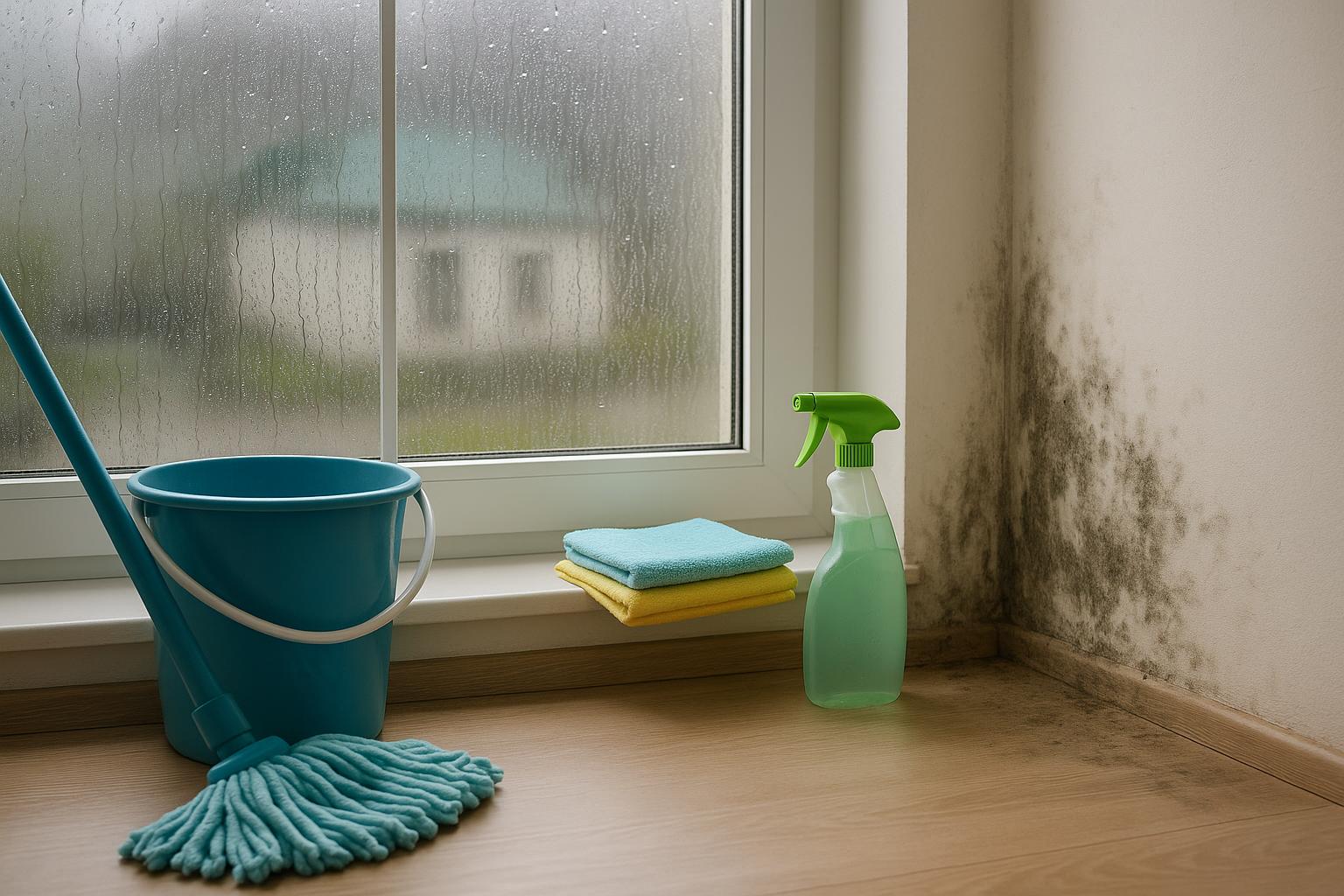
Australia’s climate varies widely, but many regions-especially coastal cities-experience periods of high humidity, heavy rainfall, and damp indoor conditions. While Australia doesn’t have a traditional monsoon season like some countries, prolonged wet weather and humidity spikes can create the perfect environment for mould growth in homes.
Mould is more than just an unsightly problem-it can damage property, trigger allergies, and impact indoor air quality. That’s why understanding how to Prevent Mold in Australian Homes During Humidity is essential for every homeowner and tenant.
In this comprehensive guide, we’ll explore practical strategies, expert-backed cleaning tips, and when to consider Residential Cleaning Services in Australia or even Professional cleaning Services in Melbourne to keep your home safe, clean, and mould-free.
Why Humidity Causes Mould in Australian Homes?
Mould thrives in environments with:
- High humidity (above 60%)
- Poor ventilation
- Moisture build-up
- Warm temperatures
During extended rainy periods or humid months, moisture can accumulate indoors through condensation, leaks, or inadequate airflow. This creates ideal conditions for mould spores to grow on walls, ceilings, carpets, and furniture.
Common mould-prone areas include:
- Bathrooms and kitchens
- Laundry rooms
- Basements and garages
- Window frames and ceilings
Understanding these risk zones is the first step in How to Stop Mold Growth Humid Weather Australia effectively.
Health and Property Risks of Mould
Ignoring mould can lead to serious consequences:
Health Issues
- Allergies and respiratory problems
- Asthma flare-ups
- Skin irritation
Property Damage
- Stained walls and ceilings
- Damaged paint and plaster
- Musty odours
This is why many Australians rely on Residential Cleaning Services in Australia to address mould problems early.
Prevent Mold in Australian Homes During Humidity
Prevention is always easier than removal. Here are proven strategies to keep mould at bay during humid conditions:
1. Improve Ventilation
Good airflow reduces moisture levels inside your home.
Tips:
- Open windows when weather permits
- Use exhaust fans in bathrooms and kitchens
- Install ceiling fans or ventilation systems
2. Use a Dehumidifier
A dehumidifier helps maintain indoor humidity levels below 60%.
- Ideal for bedrooms and living areas
- Especially useful during prolonged rainy periods
3. Fix Leaks Immediately
Leaking pipes, roofs, or windows can quickly lead to mould growth.
- Inspect plumbing regularly
- Repair roof leaks promptly
- Seal gaps around windows and doors
4. Dry Wet Areas Quickly
Never allow water to sit for long periods.
- Wipe down shower walls after use
- Dry clothes outside when possible
- Clean spills immediately
5. Clean Regularly
Routine cleaning is key to mould prevention.
- Use anti-mould sprays
- Wipe surfaces with disinfectant
- Vacuum carpets and upholstery
These are essential Monsoon Cleaning Tips Australia Mold Prevention homeowners should follow consistently.
Room-by-Room Mould Prevention Guide
Bathroom
Bathrooms are the most common mould hotspots.
What to do:
- Run exhaust fans during and after showers
- Wipe tiles and glass surfaces
- Clean grout regularly
Kitchen
Steam and cooking moisture can build up quickly.
What to do:
- Use range hoods while cooking
- Keep sink areas dry
- Clean behind appliances
Bedroom
Condensation can form on windows and walls.
What to do:
- Keep furniture slightly away from walls
- Open windows daily
- Use moisture absorbers
Living Areas
Soft furnishings can trap moisture.
What to do:
- Vacuum regularly
- Air out cushions and rugs
- Avoid overcrowding spaces
How to Stop Mold Growth Humid Weather Australia: Cleaning Methods?
If mould has already started to appear, quick action is essential.
1. Vinegar Solution
White vinegar is a natural mould killer.
Steps:
- Spray undiluted vinegar on affected areas
- Leave for an hour
- Wipe clean with a damp cloth
2. Baking Soda
Effective for mild mould and odour removal.
- Mix with water to form a paste
- Scrub gently
- Rinse and dry
3. Hydrogen Peroxide
Useful for tougher mould spots.
- Apply 3% solution
- Let sit for 10 minutes
- Scrub and wipe clean
4. Commercial Mould Cleaners
Available at supermarkets across Australia, these are designed for stronger infestations.
Always follow safety instructions and wear gloves when cleaning mould.
When to Call Residential Cleaning Services in Australia?
While DIY methods work for small patches, larger mould problems require professional help.
Signs You Need Experts:
- Mould covers large areas
- Persistent musty smell
- Recurring mould despite cleaning
- Health symptoms worsening
Residential Cleaning Services in Australia use advanced tools and techniques to remove mould safely and prevent regrowth.
Benefits of Professional cleaning Services in Melbourne
If you’re located in Victoria, hiring Professional cleaning Services in Melbourne can be particularly beneficial due to the city’s unpredictable weather and humidity fluctuations.
Advantages:
- Deep cleaning with industrial-grade products
- Mould inspection and treatment
- Long-term prevention solutions
- Time-saving and stress-free
Professionals also ensure compliance with health and safety standards, giving you peace of mind.
Seasonal Cleaning Checklist for Humid Weather
To stay ahead of mould growth, follow this seasonal checklist:
Weekly Tasks
- Wipe down wet surfaces
- Vacuum and dust
- Air out rooms
Monthly Tasks
- Deep clean bathrooms and kitchens
- Inspect for leaks
- Clean windows and frames
Seasonal Tasks
- Check roof and gutters
- Service ventilation systems
- Declutter storage areas
These practical Monsoon Cleaning Tips Australia Mold Prevention can significantly reduce the risk of mould.
Tips for Renters in Australia
If you’re renting, mould prevention is still your responsibility.
- Report leaks to landlords immediately
- Maintain proper ventilation
- Keep property clean and dry
Failure to manage mould can impact your bond during end-of-lease inspections.
Eco-Friendly Mould Prevention Tips
For environmentally conscious households:
- Use natural cleaners like vinegar and lemon
- Avoid harsh chemicals
- Improve natural ventilation
- Use indoor plants that reduce humidity
These methods are safe, sustainable, and effective.
Final Thoughts
Managing humidity and preventing mould is an ongoing process, especially in Australia’s diverse climate. By following these expert strategies, you can successfully Prevent Mold in Australian Homes During Humidity and maintain a clean, healthy living environment.
From simple daily habits to deep cleaning solutions, consistency is key. And when the situation gets out of hand, don’t hesitate to rely on Residential Cleaning Services in Australia or trusted Professional cleaning Services in Melbourne for expert support.
By applying these Monsoon Cleaning Tips Australia Mold Prevention and understanding How to Stop Mold Growth Humid Weather Australia, you’ll not only protect your home but also ensure a healthier lifestyle for you and your family.
FAQs
1. What is the ideal indoor humidity level in Australia?
Between 30% and 50% to prevent mould growth.
2. Can mould come back after cleaning?
Yes, if moisture issues are not resolved.
3. Is professional mould removal worth it?
Absolutely, especially for large or recurring problems.