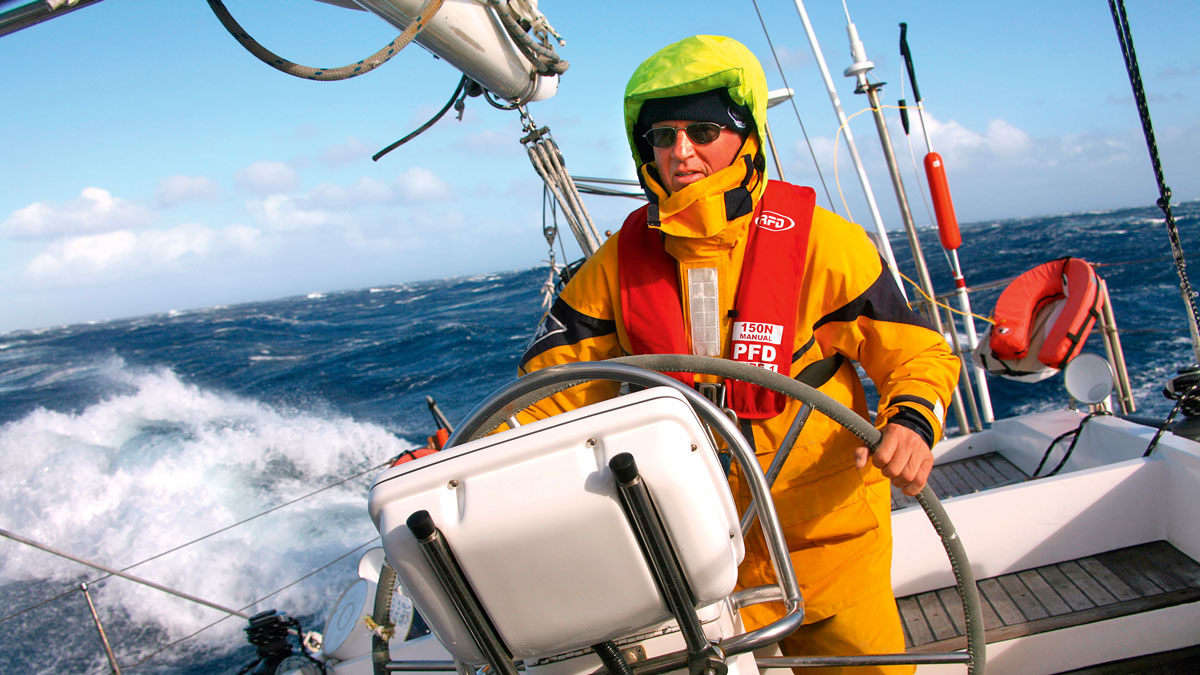
Sailing is as much about reading the skies and seas as it is about trimming sails and steering the helm. While fair weather makes for idyllic days on the water, every seasoned sailor knows the true test of seamanship comes when conditions take a turn. Handling heavy weather while sailing requires preparation, skill, and a calm mindset. Whether you’re navigating a sudden squall or riding out a deep low-pressure system, knowing what to do can make all the difference.
Prepare Before You Set Sail
Heavy weather seamanship begins before you even leave the dock. Always check the weather forecast from reliable sources such as the Bureau of Meteorology and monitor weather patterns in the days leading up to your trip. A sudden cold front or tropical low can drastically alter your route, and having the flexibility to adapt is crucial. Conduct a thorough inspection of your vessel to ensure everything is in working order. Check that all safety gear—including lifejackets, flares, EPIRB, and harnesses—is on board and accessible. Secure all gear on deck and below to prevent injury and damage when the boat begins to pitch and roll.
Reef Early, Not Late
A golden rule of heavy weather sailing is: reef early. If you think you might need to reduce sail, it’s already time to do it. Reducing sail area improves control and reduces strain on your rigging. Depending on your vessel, you may use reefing points on the mainsail, change to a smaller headsail, or even drop all sail and go under bare poles in extreme conditions. Heaving-to is another technique that allows your boat to maintain a stable position relative to the wind and waves, giving you time to rest, make repairs, or wait out the worst of the weather.
Stay on Course—Mentally and Physically
In heavy seas, fatigue sets in quickly. Make sure your crew is well-rested, fed, and hydrated. Set up a watch system to allow for adequate rest, and keep morale high through clear communication and teamwork. Always clip on when on deck, especially at night or in big seas. One hand for yourself, one hand for the boat—this age-old adage still holds true.
Below decks, secure loose items and keep the galley as tidy as possible. In rough weather, even a kettle can become a dangerous projectile.
Navigation and Decision-Making
Maintain a safe and appropriate course by balancing comfort with speed and safety. Running before the storm may feel safer, but if it sends you into dangerous waters or closer to a lee shore, it might be time to change tactics. Modern navigation tools, from GPS to radar, can offer real-time insights—but always have a backup plan. Paper charts and dead reckoning are not obsolete in heavy weather scenarios where electronics might fail.
Build Your Skills in Controlled Conditions
The best way to prepare for heavy weather is to gradually build your confidence and skillset in a controlled learning environment. For those wanting to deepen their understanding of seamanship and weather handling, learn how to sail a yacht with experienced instructors on Sydney Harbour. It’s a safe, hands-on way to develop the skills you’ll need when the wind picks up and the waves start to build.
Heavy weather sailing isn’t just about surviving the storm—it’s about mastering the conditions, staying composed, and making smart, proactive decisions
With the right preparation, a well-maintained vessel, and a solid skill foundation, even the roughest seas can be navigated safely and confidently. Remember: it’s not about fighting the weather—it’s about working with it.