


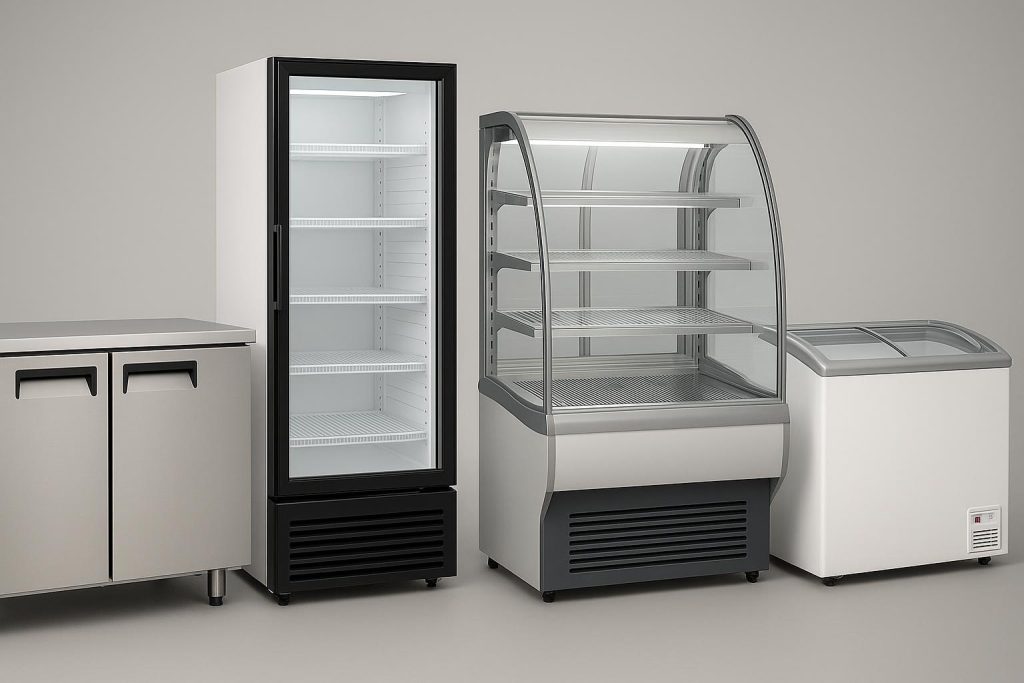
Running a business in Perth, especially one dealing with food or beverages, means you understand the importance of reliable refrigeration. A malfunctioning fridge or freezer can lead to spoiled stock, lost revenue, and unhappy customers. That’s why choosing the right commercial refrigeration perth is an investment in your business’s success, not just an expense.
But with so many options available, how do you make the right choice? This guide will walk you through the key considerations, from understanding your specific needs to finding a reputable supplier who can provide ongoing support. We’ll also touch on the importance of regular maintenance and the benefits of choosing energy-efficient models. Consider this your one-stop shop for all things related to commercial refrigeration in the sunny state.
Understanding your refrigeration needs
Before you even start browsing online or visiting showrooms, take some time to assess your specific requirements. What type of products will you be storing? What volume of storage do you need? What are the space constraints of your premises? Answering these questions will help you narrow down your options and avoid costly mistakes.
Types of commercial refrigeration units
The world of commercial refrigeration is vast and varied, with different types of units designed for specific purposes. Here’s a brief overview of some of the most common options:
- Display Fridges: Perfect for showcasing drinks, cakes, and other tempting treats in cafes, bakeries, and convenience stores.
- Upright Fridges and Freezers: Versatile and space-efficient, ideal for storing a wide range of food items in restaurants, supermarkets, and commercial kitchens.
- Walk-in Coolrooms and Freezers: Large-scale refrigeration solutions for businesses that require significant storage capacity, such as meat processing plants and large catering operations.
- Under-counter Fridges and Freezers: Compact and convenient, designed to fit seamlessly under counters in bars, restaurants, and cafes.
- Ice Machines: Essential for bars, restaurants, and hotels that need a constant supply of ice for drinks and other applications.
Calculating your storage capacity
Choosing the right size refrigeration unit is crucial. Too small, and you’ll struggle to keep up with demand. Too large, and you’ll waste energy and valuable floor space. Estimate your average daily or weekly stock volume to determine the ideal storage capacity. Don’t forget to factor in potential growth in the future. It’s always better to err on the side of caution and choose a unit that offers a little extra space.
Considering space and layout
Take careful measurements of the available space in your premises before making any decisions. Consider factors such as door openings, aisle widths, and accessibility for cleaning and maintenance. A well-planned layout will not only maximise storage capacity but also improve workflow efficiency.
Choosing the right supplier
Once you have a clear understanding of your refrigeration needs, the next step is to find a reputable supplier who can provide quality products, expert advice, and reliable after-sales service. Don’t just focus on price; consider the long-term value of choosing a supplier you can trust.
Researching local suppliers
Start by researching local suppliers in the Perth area. Check online reviews, ask for recommendations from other businesses, and visit showrooms to see the equipment in person. A good supplier should be able to answer your questions knowledgeably, offer tailored solutions, and provide clear and transparent pricing.
Checking credentials and certifications
Ensure that the supplier is licensed and certified to handle refrigeration equipment. This will give you peace of mind that they meet industry standards and comply with relevant regulations. Ask about their experience and expertise in the field. A supplier with a proven track record is more likely to deliver a satisfactory outcome.
Considering after-sales service and support
Refrigeration equipment, like any other machinery, requires regular maintenance and occasional repairs. Choose a supplier who offers comprehensive after-sales service and support, including installation, maintenance, repairs, and spare parts. This will minimise downtime and ensure the longevity of your investment. If you require commercial refrigeration services, ensure you have a company you can depend on.
Energy efficiency and running costs
In today’s world, energy efficiency is not just an environmental concern; it’s also a financial one. Choosing energy-efficient refrigeration equipment can significantly reduce your running costs and improve your bottom line. Look for models with high energy star ratings and features such as LED lighting and advanced insulation.
Understanding energy star ratings
The Energy Star rating system provides a simple and reliable way to compare the energy efficiency of different refrigeration units. The higher the star rating, the more energy-efficient the model. While energy-efficient models may have a higher upfront cost, they will save you money in the long run through reduced energy consumption.
Implementing energy-saving practices
In addition to choosing energy-efficient equipment, there are several simple practices you can implement to further reduce your energy consumption. Keep fridge and freezer doors closed as much as possible, regularly defrost your units, and ensure that the condenser coils are clean and free from dust. These small steps can make a big difference to your energy bill.
The importance of regular maintenance
Regular maintenance is essential for ensuring the optimal performance and longevity of your refrigeration equipment. A well-maintained unit will operate more efficiently, consume less energy, and be less prone to breakdowns. Schedule regular maintenance checks with a qualified technician to keep your equipment in top condition.
Developing a maintenance schedule
Work with your supplier or a qualified technician to develop a maintenance schedule tailored to your specific equipment and operating conditions. This schedule should include regular cleaning, inspection of components, and replacement of worn parts. Adhering to the maintenance schedule will help you identify and address potential problems before they escalate into costly repairs.
Troubleshooting common issues
Even with regular maintenance, occasional problems may arise. Familiarise yourself with some of the most common issues, such as temperature fluctuations, unusual noises, and ice build-up. Knowing how to troubleshoot these problems can help you resolve minor issues quickly and prevent further damage. When issues arise, you may need commercial electricians to take a look at your refrigeration unit, as electrical problems can cause serious damage.
Frequently asked questions
How often should I service my commercial refrigeration unit?
It’s generally recommended to service your commercial refrigeration unit at least once a year, but more frequent servicing may be required depending on the usage and operating conditions. Consult with your supplier or a qualified technician to determine the optimal servicing schedule for your equipment.
What are the signs that my refrigeration unit needs repair?
Some common signs that your refrigeration unit needs repair include temperature fluctuations, unusual noises, excessive ice build-up, and water leaks. If you notice any of these signs, contact a qualified technician immediately to diagnose and repair the problem.
Can I repair my commercial refrigeration unit myself?
Unless you are a qualified refrigeration technician, it’s generally not recommended to attempt repairs on your own. Refrigeration equipment contains hazardous refrigerants and requires specialised knowledge and tools to repair safely and effectively. Improper repairs can lead to further damage, safety hazards, and voiding of warranties.
How can I improve the energy efficiency of my refrigeration unit?
There are several steps you can take to improve the energy efficiency of your refrigeration unit, including keeping doors closed as much as possible, regularly defrosting your unit, ensuring that the condenser coils are clean and free from dust, and choosing energy-efficient replacement parts when needed.
What should I do if my refrigeration unit breaks down?
If your refrigeration unit breaks down, take the following steps: First, move any perishable items to a temporary refrigeration solution to prevent spoilage. Second, contact a qualified refrigeration technician immediately to diagnose and repair the problem. Third, document the breakdown and any associated losses for insurance purposes.