


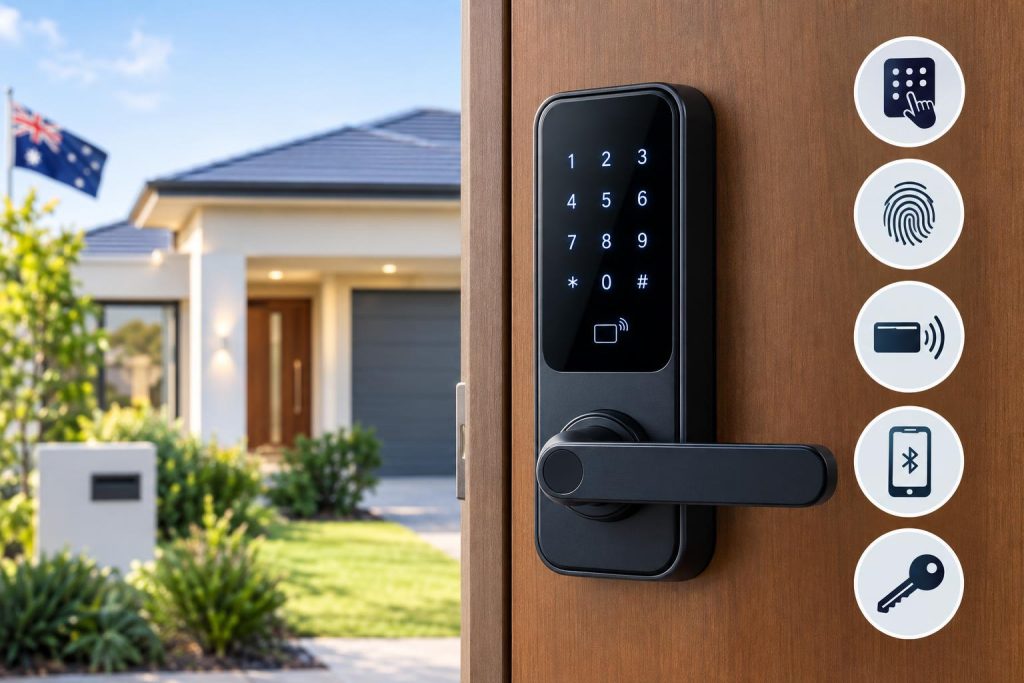
Electronic door locks are becoming a popular choice for Australian homeowners looking for convenient and flexible ways to secure their properties. Unlike traditional locks that rely entirely on physical keys, electronic locks allow users to unlock doors through PIN codes, fingerprint recognition, key cards or smartphone applications.
However, choosing electronic door locks involves more than selecting a design. Homeowners need to understand how these locks work, their security features and whether they are compatible with existing doors.
What Are Electronic Door Locks?
Electronic door locks use electronic components to control access instead of relying solely on conventional keys. Depending on the model, users can unlock them using a numerical keypad, fingerprint scanner, RFID card, key tag or mobile application.
Some models also support traditional keys as a backup option. These locks are available in different designs, including digital deadbolts, electronic leversets and smart entrance locks.
Types of Electronic Door Locks Available
There are different types of electronic and digital door locks available in the market with features designed to suit various household security requirements. Some models combine multiple access methods, giving homeowners more flexibility.
Keypad Door Locks
Keypad locks allow users to unlock doors by entering a PIN code. They are convenient for households where multiple family members need access without carrying separate keys. Some models also support multiple user codes, making it easier to manage access.
Fingerprint Door Locks
Fingerprint-enabled locks use biometric technology to identify registered users. Homeowners can unlock their doors using their fingerprints instead of remembering PIN codes or carrying keys. Certain models combine fingerprint recognition with other access methods for added convenience.
RFID and Key Tag Door Locks
RFID-enabled locks allow users to unlock doors using compatible cards, tags or key fobs. They are useful for households that prefer contactless access. Depending on the model, these locks may also support PIN codes, fingerprints or mechanical keys.
Bluetooth and Wi-Fi-Enabled Smart Locks
Smart electronic locks offer additional access management features through compatible smartphone applications. Bluetooth-enabled models can allow users to unlock doors using their phones, while selected Wi-Fi-compatible models support remote access when connected to the required gateway. Some products also offer temporary digital keys and access management features.
Important Features to Consider Before Buying
Not every electronic lock is suitable for every home. Consider these factors before making a purchase:
- Door compatibility: Check the door thickness, lock dimensions, backset and existing hardware before selecting a model.
- Power source: Most electronic locks operate on batteries. Check battery life, low-battery alerts and emergency power options.
- Backup access: Look for models offering a mechanical key override or another emergency unlocking method.
- Access management: Consider whether you need multiple PIN codes, fingerprint storage or temporary access for visitors.
- Weather resistance: For exposed entrances, check whether the lock is rated for outdoor conditions.
- Security features: Look for anti-tamper protection, automatic locking and secure authentication features where available.
Are Electronic Door Locks Secure?
Electronic door locks can provide reliable security when they are well-designed, correctly installed and maintained. Features such as access codes, fingerprint recognition and activity notifications can offer greater control over who enters a property.
However, electronic locks are not automatically more secure than traditional locks. Their effectiveness depends on the quality of the product, physical construction, installation and how access credentials are managed. Make sure to choose a reliable brand. Be sure to keep your apps up to date and limit giving out codes.
Installation and Maintenance Considerations
Depending on the lock you choose, the design could mean that you do not have to alter the door, or you may have to. To prevent problems during installation, check that the lock is compatible with your door.
Replace the batteries when the alarm sounds. Ensure that the touchpads are kept clean and follow the manufacturer’s instructions for software updates and access codes. If you have an elaborate system or an atypical door size, it may be a good idea to get a qualified locksmith to install it to ensure it works properly.
Exploring Electronic Door Locks at The Lock Shop
The Lock Shop is an Australian online retailer specialising in door hardware, locking solutions and security products. It offers electronic and digital locks from established manufacturers, including Yale, Lockwood, Carbine, ABUS and Assa Abloy.
Its broader product range includes door handles, deadlocks, padlocks, safes and access control products for residential and commercial applications.
Conclusion
Electronic door locks offer Australian homeowners convenient alternatives to traditional key-operated locks. From keypad and fingerprint models to Bluetooth-enabled smart locks, there are different options to suit household security requirements. Before buying, consider door compatibility, power supply, backup access and security features.
To choose a suitable model, reach out to The Lock Shop. They ensure proper installation to help provide convenient and dependable access control.