


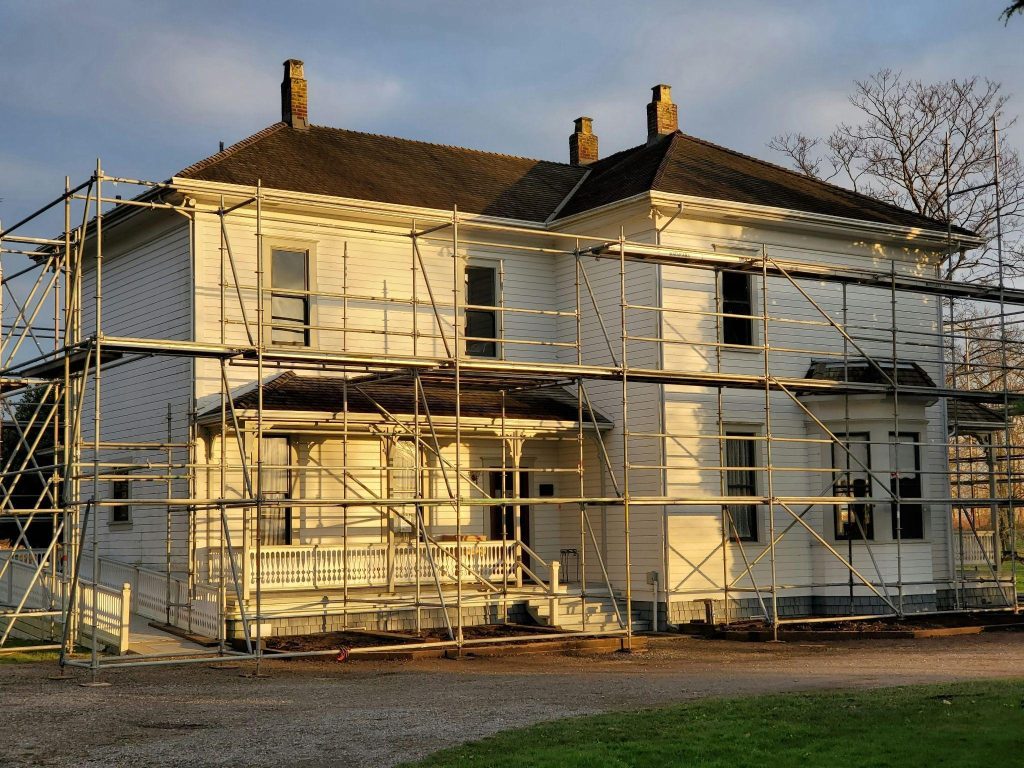
The renovation boom that swept across Australia during the pandemic is starting to lose some of its shine—especially in Canberra, where mid-sized projects are being squeezed by rising costs, material delays, and labour shortages. What was once a smooth upgrade process for families and small developers has become a waiting game marked by supply-chain snags and workforce bottlenecks. For those planning home renos Canberra, patience and flexibility have become essential tools in their renovation toolkit.
From timber shortages to stretched trade schedules, the construction landscape is forcing homeowners to rethink how they plan, budget, and execute renovation projects. Yet amid the challenges, new trends and creative strategies are emerging—helping Canberrans navigate the slowdown and keep their dreams of modern, sustainable homes alive.
The Perfect Storm: When Demand Outpaced Supply
Canberra’s renovation boom was born from a mix of factors: record-low interest rates, remote work, and increased savings during lockdowns. Homeowners who once spent on travel redirected funds toward improving living spaces. Builders were inundated with requests for kitchen remodels, energy-efficient upgrades, and extensions—particularly in the city’s older suburbs such as Griffith, Ainslie, and Hughes.
But what began as a golden era of building quickly met reality. The post-pandemic recovery unleashed a wave of competing demand nationwide. Global supply chains struggled to catch up, freight costs skyrocketed, and Australia’s construction industry—already dealing with a shrinking skilled workforce—buckled under pressure.
By 2023, Canberra’s once-smooth renovation market found itself in gridlock. Mid-sized projects, typically valued between $250,000 and $800,000, were hit hardest. They were too large for quick-fix solutions yet too small to attract priority treatment from major contractors already booked with large-scale builds.
Material Shortages: The Timber, Steel, and Supply Crunch
Few issues have slowed Canberra’s construction sector as dramatically as material shortages. Key imports such as timber, steel, and insulation faced prolonged shipping delays, while local suppliers struggled to maintain stock.
During the height of the pandemic, timber mills across Australia were operating at limited capacity due to restrictions, creating a domino effect that continues today. Even now, fluctuating costs and delivery timelines make it difficult for renovators to lock in budgets.
Homeowners planning extensions or new decks are finding timber prices significantly higher than pre-pandemic levels, while lead times for engineered materials can stretch for months. Steel framing, once a reliable alternative, has also been caught in global manufacturing bottlenecks.
According to Master Builders ACT, supply issues may persist into 2026, particularly for niche materials such as energy-efficient glass or high-performance insulation. Some builders are now recommending clients pre-purchase or stockpile key items early, a strategy once unheard of in residential projects.
Labour Shortages: The Vanishing Workforce
If materials are one part of the problem, labour is the other—and arguably the tougher one to solve. Canberra’s strong job market and relatively small pool of licensed tradespeople mean that electricians, plumbers, and carpenters are in short supply.
The construction workforce has been hit by retirements, reduced apprenticeship completions, and competition from large infrastructure projects. The Australian Industry and Skills Committee reports that skilled trade vacancies in the ACT have risen by more than 30% since 2020.
As a result, renovation timelines have doubled for many homeowners. Projects that once took six months now stretch to a year or more, with contractors juggling multiple clients and unpredictable schedules.
Some renovators have tried bringing in interstate teams, but high accommodation costs and travel restrictions make that approach costly. Others are turning to modular or prefabricated options to reduce reliance on on-site labour—though those, too, depend on strained manufacturing supply chains.
The Cost Conundrum: Inflation Hits the Construction Floor
Canberra’s renovation costs have surged at a pace few expected. Inflation, fuel price hikes, and higher wages for trades have all compounded material shortages.
According to the Housing Industry Association (HIA), residential construction costs in the ACT have increased by nearly 25% over the past three years. For homeowners, that translates to tighter budgets, scaled-back designs, or phased renovations spread over longer periods.
Builders are increasingly introducing “cost escalation clauses” into contracts, allowing them to adjust pricing if supplier costs spike mid-project. For homeowners, that creates uncertainty—but for builders, it’s often the only way to stay afloat.
The ripple effects extend beyond construction sites. Lenders are now reviewing renovation loans more cautiously, requiring larger contingencies and longer approval periods. The once-booming mid-sized renovation market is learning the hard truth of modern construction: timing is money.
Delays and Redesigns: How Homeowners Are Adapting
In true Canberra fashion, homeowners are meeting these challenges with creativity. Many are pivoting toward staged renovations—completing essential work first, then tackling aesthetic or non-structural updates later.
Others are embracing adaptive design. When imported tiles or fittings face delays, renovators are switching to Australian-made alternatives. Locally sourced recycled timber, concrete finishes, and modular cabinetry have become both trendy and practical solutions.
Designers, too, are evolving. Architects now factor supply volatility into plans, offering flexible material options or reconfigurable layouts. They’re also using software to simulate alternative materials in real time, giving clients visual reassurance that substitutions won’t sacrifice design quality.
Some homeowners are even using the downtime strategically—installing solar panels or insulation upgrades while waiting for major works to begin. According to the ACT Government’s Sustainable Household Scheme, these interim retrofits have surged 18% year-on-year, suggesting homeowners are still investing—just differently.
Shifts in Contractor-Client Relationships
The slowdown has also changed how homeowners and builders work together. Transparency has become the cornerstone of modern contracting.
Builders now provide clients with live project updates, online dashboards, and predictive delivery models. Homeowners are learning that flexibility and communication matter as much as design choices. Rather than demanding strict deadlines, many are adopting collaborative, phased timelines that adapt to supply changes.
For builders, the trust factor is critical. Those who communicate clearly about challenges—rather than overpromising—are winning repeat clients and referrals. It’s a shift from transactional relationships to partnerships built on patience and mutual understanding.
Conclusion: Building Patience into the Plan
For now, homeowners tackling home renos Canberra must balance ambition with realism. The days of fast, budget-friendly mid-sized renovations are temporarily behind us. Yet this period is also inspiring smarter, more sustainable approaches to home improvement.
By focusing on collaboration, flexible design, and long-term thinking, Canberra’s homeowners and builders are proving remarkably resilient. While material delays and labour shortages continue to test the industry, they’ve also spurred innovation, local sourcing, and stronger relationships between clients and trades.
In time, these lessons may lead to a more self-sufficient construction ecosystem—one less vulnerable to global disruptions and better aligned with Canberra’s sustainability goals. For now, though, the message is clear: if you’re planning to renovate in 2025, expect delays, prepare for change, and remember that good craftsmanship—such as a well-built home—is always worth the wait.