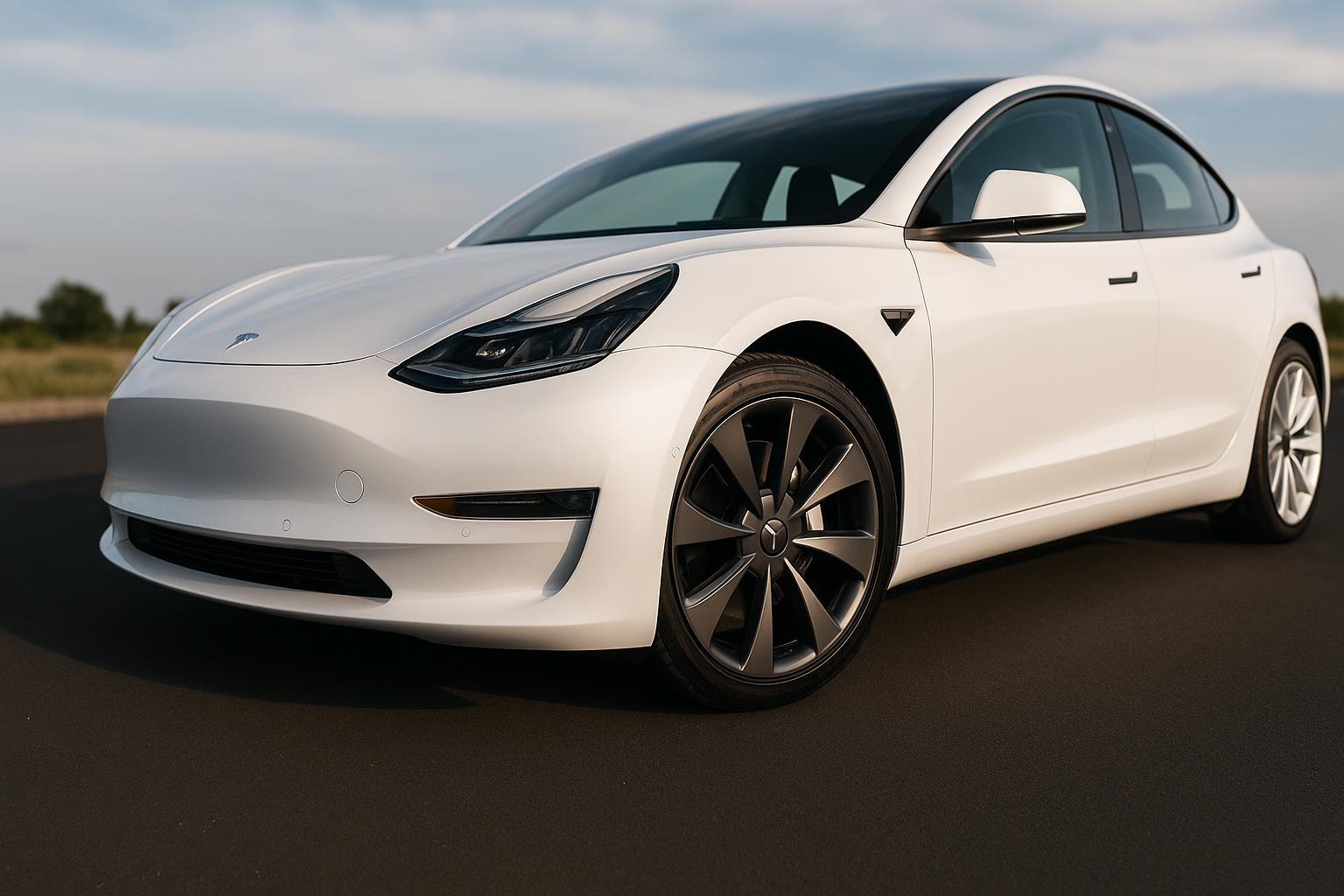
For electric vehicle owners, range is the number that matters most, and it is easy to assume that it is determined entirely by the battery. In reality, a surprising amount depends on what the car is rolling on. Wheels and tyres influence aerodynamics, weight, and rolling resistance, and each of those feeds directly into how far a Tesla Model 3 can travel on a charge. For owners thinking about a wheel upgrade, or even just replacing a damaged one, the choice deserves more thought than it often gets.
Why Wheels Matter More on an EV
A combustion-engine car hides inefficiencies behind its fuel tank, but an electric vehicle makes them visible on the dashboard. Every extra bit of resistance means more energy used, and since public charging takes longer than filling a tank, wasted energy is more noticeable. The Model 3 is also designed to be very slippery through the air, so changes that disrupt its airflow, like open-spoke wheels or very wide tyres, can have a measurable effect at highway speeds.
Weight plays a part too. Heavier wheels take more energy to accelerate, and the effect is greater than the same mass added to the body of the car because the wheels are rotating. Lighter wheels also improve ride quality, since the suspension has less mass to control. Background on how tyre design affects energy use is outlined on Wikipedia, which explains rolling resistance and the factors that influence it.
Size, Width, and the Aerodynamic Trade-Off
Larger wheels often look better, but they usually come with a price. A bigger diameter generally means a lower-profile tyre with less sidewall, which can make the ride firmer and increase road noise. Wider tyres add grip but also add rolling resistance and aerodynamic drag. For owners who value range, the smaller factory size is often the most efficient choice, while those who prioritise appearance and handling may accept a modest range penalty in exchange for a larger wheel.
The design of the wheel itself matters as well. Smooth, closed designs reduce turbulence around the wheel and tend to be more efficient than open ones, which is why manufacturers sometimes fit aerodynamic covers. When shopping for tesla model 3 wheels, it is worth comparing not only the look but also the weight, the width, and whether the design was made to suit the vehicle’s specific fitment requirements.
Load Rating, Fitment, and Getting the Details Right
Electric vehicles are heavy because of their battery packs, and wheels need a load rating that matches. A wheel that is rated for a lighter car can be a safety risk when fitted to an EV, so owners should confirm that any aftermarket wheel is designed for the vehicle. The hub bore, bolt pattern, and offset must also match the Model 3’s specification, and a poor fit can cause vibration, uneven wear, and stress on suspension components.
Tyre choice completes the picture. The sidewall markings carry the size, load index, and speed rating, and all three should meet or exceed what the manufacturer specifies for the car. Low rolling resistance tyres, sometimes sold specifically for electric vehicles, help preserve range, while performance tyres improve grip at some cost to efficiency. Many owners also find that EV-specific tyres reduce noise, which is more noticeable in a quiet cabin. It is worth keeping the original wheels and tyres, since they make it easier to switch back before selling the vehicle.
Practical Tips for Owners
Tyre pressure is the simplest tool for protecting range. Even a small drop below the recommended level increases rolling resistance, so a monthly check is worthwhile. Regular rotation and alignment keep wear even, and avoiding unnecessary weight in the trunk helps a little too. Because electric cars deliver strong torque from a standstill, tyres on an EV can wear faster than owners expect, so checking tread depth every few months is a good habit. Uneven wear is often the first sign of an alignment problem, and catching it early protects both the tyres and the range.
Anyone who wants to compare how efficient different vehicles are can use the Australian Government’s Green Vehicle Guide, which publishes energy consumption and emissions information for new vehicles sold in Australia. It provides a useful baseline before any modifications are made.
The takeaway is that wheel choice is a balance. A larger, more aggressive wheel might transform the look of a Model 3, but it will also change the way it drives and how far it goes. By understanding those trade-offs, owners can pick a setup that matches their priorities, whether that means maximum range, sharper handling, or a bit of both.