


How much should you spend on your outdoor space? $500? $700 or more? It depends on who you ask. What feels pricey to one person is a bargain to another. So, what is truly inexpensive outdoor flooring?
Well, there is no one-size-fits-all answer. It is more about the outdoor floor tiles that gives you beauty and peace of mind, with no trade-offs. The costly part is repeated spending. Floors that chip, crack or fade in harsh sun keep taking your money. Constant repairs and cleaning are a hassle nobody needs. Your home should be a place to relax, not a to-do list. So why not choose a material that handles every season? Here are seven options that look great and stay stress-free.
7 Smart yet Cost-Effective Flooring Options
A smart decision today will bring you peace of mind. Choose a floor that handles sun, rain and foot traffic without constant repairs and your outdoor space stays beautiful for years. Here are seven options and how they really compare.
1. Bluestone
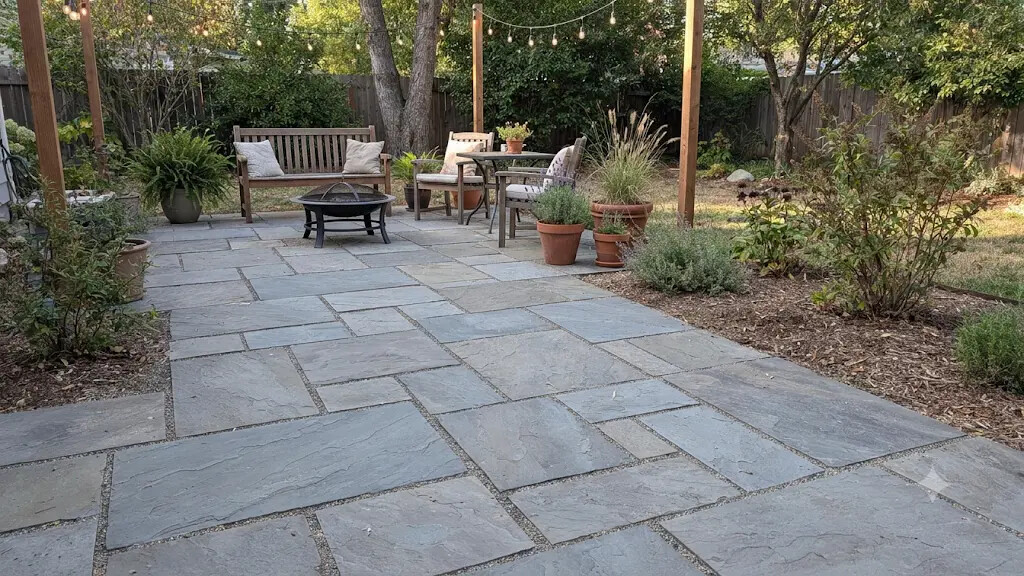
Outdoor bluestone pavers are cut pieces of dense, blue-grey stone. The colour of the stone will look great for a garden path in cool charcoal tones, softened by green ferns and morning dew. When it rains, the colour deepens into a rich, inky blue. The natural texture gives a good grip underfoot, which is great for rainy days. The maintenance is simple too; all you need is to seal it every few years to keep the colour deep and clean routinely to maintain its shine.
2. Wood Decking
Nothing beats the feel of timber underfoot. Wood decking turns a plain yard into a cosy retreat. Think about sunset drinks, bare feet and the scent of warm timber. It is a lovely choice for relaxed, casual spaces. But timber needs regular oiling or staining to stay looking fresh. It can also fade, scratch and weather over time, especially in harsh sun. It’s always smarter to check the local rules regarding bushfire as some areas need fire-rated materials.
So, if you are looking for that warm, earthy feel with less fuss, natural stone brings that organic charm and stays beautiful for years without the yearly recoat.
3. Limestone
Limestone brings a warm, creamy glow to your alfresco space. It feels like a calm beach morning, even on a busy Sunday. Its light colour reflects heat, so it stays pleasant under bare feet. However, don’t forget to seal the stone before using it. This keeps oil and red wine from leaving marks. Use gentle, pH-neutral cleaners only, as acidic products can damage the stone. Limestone outdoor floor tiles are also easy to lay, which helps keep installation costs down.
4. Concrete Pavers
Concrete pavers are one of the most wallet-friendly choices around. They come in many shapes, colours and patterns, from classic grey to soft sandy tones. They are ideal for low-traffic spaces like side paths and small courtyards. Pavers are laid piece by piece, so fixing one damaged paver is simple. You will need to seal them now and then plus clean off moss in shady spots.
It is a great pick if you like a neat, tidy finish. The catch? Their colour can fade under harsh Aussie sun, while natural stone holds its depth far longer.
5. Porcelain Tiles
Love the look of stone but not the upkeep? Porcelain outdoor floor tiles are your answer. They are dense and barely absorb water, so stains and fading are rare. Many mimic timber, travertine or slate so well that guests will look twice.
Always check the slip rating. For outdoor areas, look for R11 or higher. Thicker 20mm porcelain pavers also handle heavy use and can be laid on grass or gravel. Well, the drawback is that porcelain is man-made, so patterns repeat and a chip can reveal a different colour underneath. Natural stone is the same all the way through.
6. Luxury Vinyl Plank
Luxury vinyl plank (LVP) is comfy, quiet and easy to install. It works best in covered, low-traffic spots like enclosed verandahs. It feels softer than stone and is kind to bare feet. Keep it out of direct sun, as strong heat can warp or fade the planks. When used in the right spot, LVP is a budget-friendly way to add warmth and style but if you are looking for something lasting, then natural material like stone is the right match.
7. Marble Pavers
Marble has an unmatched, elegant look. But a polished finish can get very slippery when wet and it scratches easily. So, it is not ideal for driveways or high-traffic areas. For outdoors, pick honed marble, which has far better grip. Marble suits covered entries, small terraces and feature areas. Seal it well and clean the spills quickly.
If your heart is set on marble, use it as a statement and pair it with tougher materials elsewhere like Granite for the driveway and marble for walls.
Final Take
The cheapest floor isn’t always the best value. Choose a material that suits your climate, your traffic and your lifestyle. Whether it’s bluestone, porcelain or timber, the right pick gives you a beautiful space and fewer weekend repairs. So what are you waiting for? Next time you think about an inexpensive option, also count the aftermath so that you know what you are investing in.
Disclaimer: The information provided in this blog is to the best of our knowledge and intended as a general guide. We recommend confirming all details based on your specific project requirements before execution.