


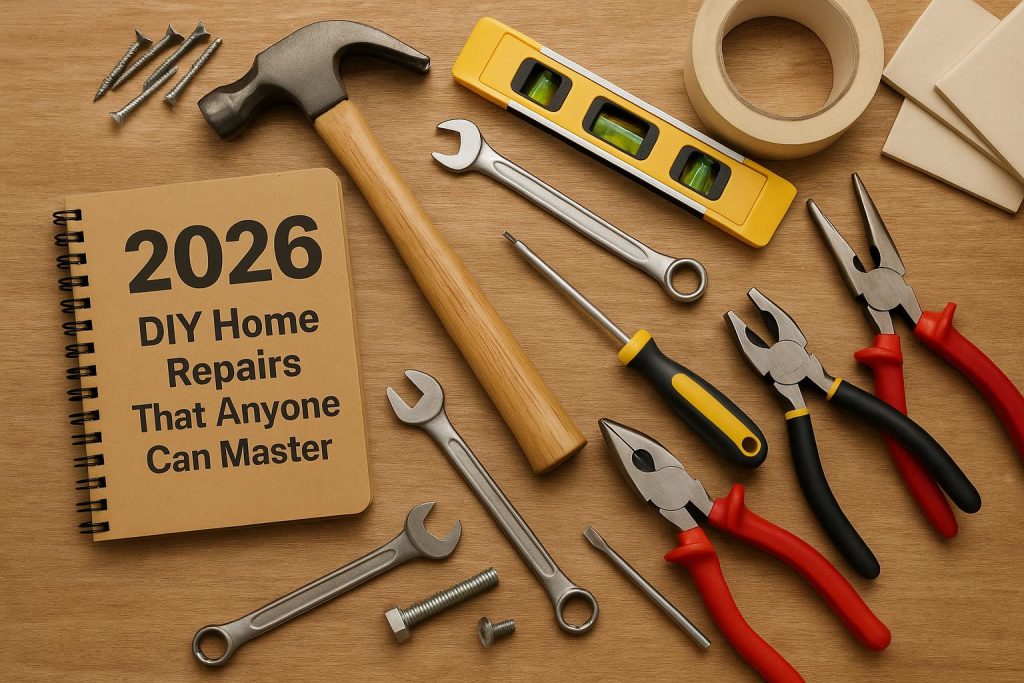
Repairs around the home can often feel overwhelming, but they don’t have to be. In this guide, you’ll discover 2026 DIY home repair projects that you can easily tackle, regardless of your skill level. From simple fixes to more complex tasks, you will gain the knowledge and confidence to handle a variety of home improvement challenges that will enhance your living space and save you money. Whether you’re dealing with a leaky faucet or a squeaky door, this comprehensive resource will empower you to become your own handyman.
Essential Tools for DIY Home Repairs
For anyone stepping into the world of DIY home repairs, having the right tools is key to efficiently tackling projects. A well-equipped toolbox not only prepares you for a variety of tasks but also boosts your confidence. Understanding which tools are necessary can make your repairs smoother and more enjoyable.
Must-Have Tools for Beginners
An effective DIY approach begins with gathering the basics. Start with these necessary tools that will serve you well across numerous projects at Vela Bay :
| Hammer | For driving nails into materials |
| Drill | For making holes or driving screws |
| Screwdrivers | For fastening and loosening screws |
| Measuring Tape | For accurate measurements |
| Pliers | For gripping and bending materials |
Advanced Tools for Enthusiasts
Along your DIY journey, you may want to advance your toolkit to tackle more complex projects. Upgrading your collection to include specialized tools will significantly enhance your capabilities. Here’s a list of advanced tools that can help you refine your skills:
| Circular Saw | For making straight cuts in various materials |
| Random Orbital Sander | For providing a smooth finish to surfaces |
| Stud Finder | For locating framing studs behind walls |
| Level | For ensuring surfaces are perfectly horizontal or vertical |
| Miter Saw | For making angled cuts in wood and other materials |
Tools are your best allies when engaging in DIY home repairs. As you grow your skill set, consider adding the following advanced equipment to your arsenal:
| Table Saw | Essential for larger woodworking projects |
| Impact Driver | More power for driving screws into tough materials |
| Angle Grinder | Great for cutting, grinding, and polishing |
| Wrench Set | For any plumbing or mechanical work |
| Heat Gun | Useful for stripping paint and softening adhesives |
Common Home Repair Projects
The ability to tackle common home repair projects can enhance your living space and save you money on professional services. By mastering foundational tasks like fixing leaky faucets, repairing drywall holes, and refreshing your paint, you can maintain a comfortable and appealing home. These projects don’t require extensive training; with a little effort, you can become proficient in repairs that will keep your home in top shape at Thomson View.
Fixing Leaky Faucets
Leaky faucets can be annoying and wasteful. Addressing this issue is simpler than you might think. Start by turning off the water supply, then disassemble the faucet to replace worn washers or O-rings. With some basic tools and a bit of patience, you’ll eliminate the drip and reduce your water bill.
Repairing Drywall Holes
Around the home, drywall holes can appear from various sources, such as doorknobs, nails, or accidental impacts. These small blemishes can diminish the aesthetic of your walls, but patching them up is a straightforward process.
Due to daily activities, it’s not uncommon for walls to sustain damage over time. Fortunately, repairing drywall holes requires just a few materials, like spackle, a putty knife, and sandpaper. First, clean the area around the hole, then apply spackle with your knife, ensuring it’s flush with the wall surface. Once dry, sand the area smoothly and finish with a coat of paint to match. With these simple steps, your walls will look like new in no time.
Maintaining Your Home’s Exterior
Assuming you want to keep your home looking great and performing well, regular maintenance of your exterior is necessary. This includes tasks such as cleaning, painting, and protecting surfaces from the harsh elements. By staying proactive with these responsibilities, you enhance your home’s curb appeal while also extending its lifespan, ensuring a safe and enjoyable environment for you and your family.
Deck and Patio Care
Homes with decks and patios benefit from periodic cleaning and maintenance to ensure these outdoor spaces remain inviting and safe. Regularly sweeping and washing them helps prevent mold and mildew growth, and applying sealants can protect the wood or surface material from weather damage. Keeping your furniture in good condition also contributes to a well-maintained outdoor area.
Roof and Gutter Maintenance
One of the key areas to focus on for your home’s exterior is the roof and gutters. These components play a vital role in water drainage and protection from the elements. Regular inspection and cleaning of your gutters can prevent water backup and roof damage, while ensuring that shingles are intact can help avoid leaks and costly repairs.
Due to the importance of your roof and gutter system, you should inspect them at least twice a year, preferably in spring and fall. Remove any leaves or debris from your gutters and downspouts, as clogs can lead to water overflow and possible foundation issues. Check for any missing or damaged shingles, which can allow water to infiltrate your home. By maintaining your roof and gutters, you can safeguard your property against expensive repairs and ensure it remains a reliable shelter.
Interior Improvements That Add Value
Your home’s interior offers numerous opportunities to enhance value, making it a wise investment for potential resale. Simple upgrades, such as updating fixtures or enhancing natural light, can create a more inviting atmosphere. As you explore these improvements, keep in mind that small changes can lead to significant benefits, both in aesthetics and market appeal.
Painting Techniques
To effectively refresh your space, mastering painting techniques can elevate any room. Choose a neutral palette to appeal to a broader audience and consider featuring an accent wall to create focal points. Proper preparation and finishing techniques, like using quality brushes and rolls, ensure a professional look that adds sophistication.
Installing Shelves and Storage Solutions
Installing shelves and storage solutions can dramatically improve the organization of your home. This not only enhances functionality but also adds visual appeal to your spaces.
The strategic placement of shelves can maximize vertical space, allowing you to display decor and store items without creating clutter. Consider built-in shelving for a seamless look or freestanding units that can be relocated. Additionally, incorporating decorative bins or boxes can create a cohesive and stylish storage solution, appealing to homebuyers who appreciate efficiency and aesthetic value.
Safety Tips for DIY Projects
After plunging into your next DIY project, it’s vital to prioritize safety. Implementing precautionary measures ensures a productive and accident-free environment. Keep these tips in mind:
- Always read instruction manuals and labels carefully.
- Ensure your workspace is clean and organized.
- Take breaks to avoid fatigue and maintain focus.
- Have a first aid kit close by in case of minor injuries.
Recognizing the importance of safety can save you time, money, and stress in the long run.
Personal Protective Equipment
Along with following general safety practices, wearing the right personal protective equipment (PPE) is crucial. Always invest in high-quality goggles, gloves, and masks to shield yourself from hazards specific to the project. Depending on the task, you might also need ear protection or sturdy footwear. Adequate PPE is your first line of defense against injuries.
Safety Protocols to Follow
Between planning and executing your DIY tasks, adhering to safety protocols will keep you secure. Always ensure that power tools are turned off when not in use, and use proper techniques for cutting, lifting, or drilling. Keep your workspace well-ventilated, especially when working with chemicals or paints. A well-maintained space minimizes risks.
Protective measures form the backbone of safe DIY practices. By following guidelines such as disconnecting power sources during tool changes and securing loose materials, you reduce the likelihood of accidents. It’s also beneficial to work with a buddy whenever possible, as an extra set of eyes can provide immediate assistance. Keeping focused and working methodically will enable you to enjoy your DIY experience without unnecessary concerns.
Budget-Friendly DIY Repairs
Keep your home looking great without breaking the bank by focusing on budget-friendly DIY repairs. With a little creativity and resourcefulness, you can tackle numerous projects that enhance your living space. Not only do you save money on labor costs, but you also gain the satisfaction of completing tasks on your own. With some planning and the right approach, you can manage repairs without straining your finances.
Cost-Effective Materials
One of the keys to budget-friendly DIY repairs is choosing cost-effective materials. Investigate local home improvement stores for discounted or surplus items. Reclaimed wood, leftover paint, and second-hand fixtures can often serve your needs perfectly while helping you save money. You might also consider using natural or recycled materials that are both affordable and environmentally friendly. Don’t overlook the potential of local marketplaces for great deals on used supplies.
DIY Financing Strategies
Before submerging into your DIY projects, explore financing strategies that can ease your budget’s strain. You might have options such as budgeting a specific monthly amount for repairs or taking advantage of seasonal sales at local stores. By planning ahead and setting aside funds, you can ensure that you can afford the materials needed without unexpected expenses.
In addition to saving through budgeting, consider ways to generate extra income specifically for your DIY projects. This could involve participating in neighborhood groups that host events or garage sales, or even offering your skills in other DIY projects to earn some cash. You can also explore low-interest financing options or community programs dedicated to home improvement. By identifying potential funding sources and getting creative with your finances, you can make your DIY repairs more manageable and align them with your budget goals.
Summing up
Considering all points, mastering DIY home repairs is not just within reach, but also an empowering venture for you. With 2026 DIY projects at your fingertips, you can enhance your skills and transform your living space by tackling repairs that seem daunting at first. Embrace the challenges, use the resources available, and watch your confidence grow as you progressively tackle each project. Ultimately, your home will reflect your efforts, creativity, and newfound competence in maintaining and improving your living environment.